
Role-specific questions
Practice behavioral, situational, technical-context, and motivation questions tied to the job description.
AI interview prep from your resume
Use the target role and your actual experience to generate relevant interview questions, choose evidence for each answer, create flexible STAR plans, and practice the follow-ups an interviewer may ask.
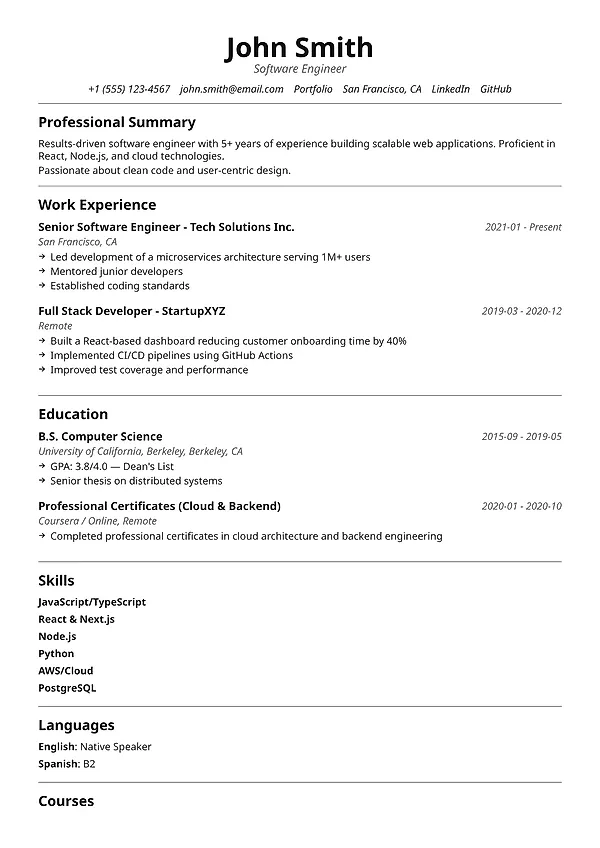
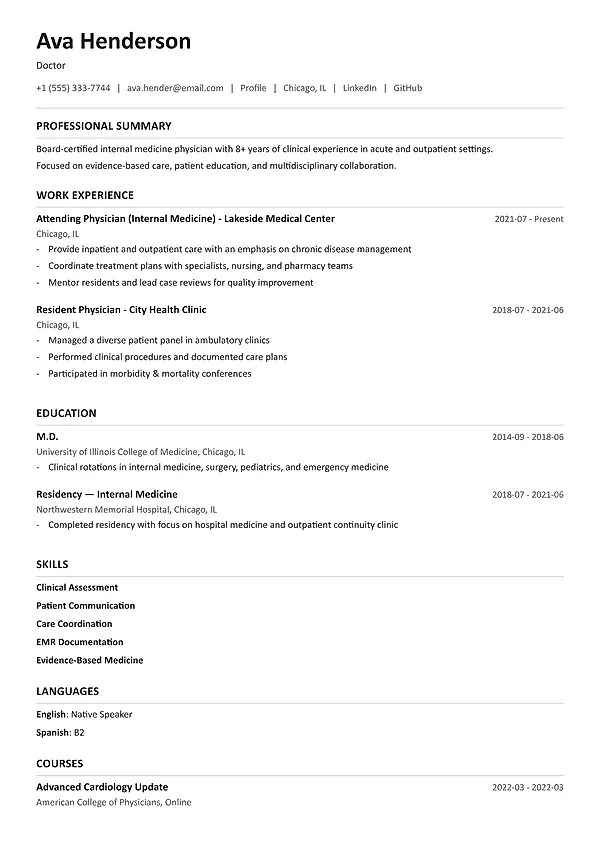
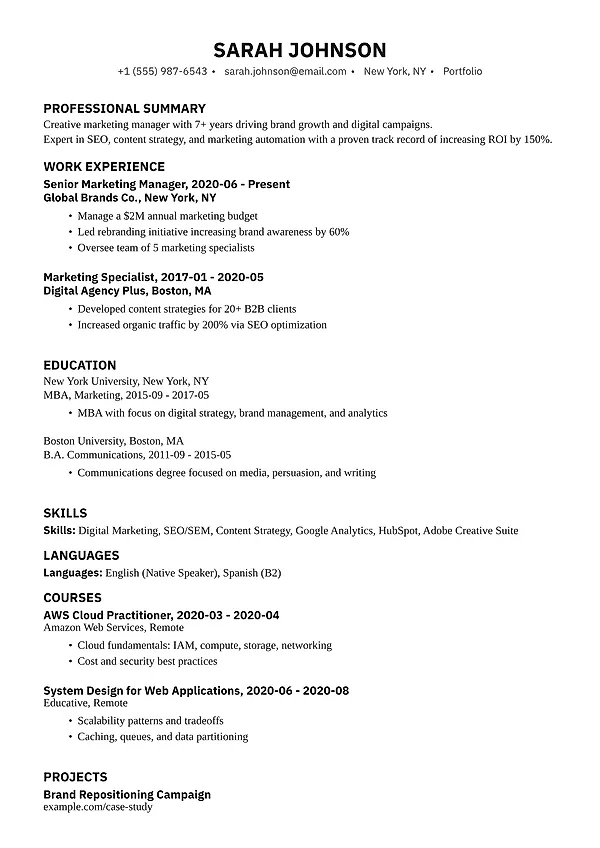
Read the role like an interviewer. Turn responsibilities, required skills, and seniority signals into focused practice topics.
Connect questions to your evidence. Use real projects, decisions, outcomes, setbacks, and lessons from your resume and experience.
Practice plans, not scripts. Build clear STAR outlines and prepare follow-ups while keeping the final answer natural and truthful.
Resume and job-description interview prep
A strong preparation plan connects what the employer needs with evidence you can explain under follow-up questions. Use the job description to predict themes, then use your resume and real experience to decide which examples support each answer.
Identify the skills, responsibilities, decisions, and outcomes the role is most likely to test.
Map each important topic to a real project, achievement, challenge, mistake, or lesson you can discuss in detail.
Prepare for questions about resume claims, transitions, short tenures, gaps, and experience that may look adjacent rather than exact.
Keep unsupported skills and invented results out of your answers; explain transferable experience and genuine gaps directly.
AI interview preparation tools
The preparation stays grounded in two sources: what the role asks for and what your resume says you have done. That creates more useful questions and helps each answer remain specific, consistent, and defensible.
Practice behavioral, situational, technical-context, and motivation questions tied to the job description.
Prepare for the projects, transitions, achievements, and gaps a thoughtful interviewer may ask about.
Shape situation, task, action, and result without burying your contribution in background detail.
Practice speaking the answer so you can find awkward sections, missing context, and language that does not sound like you.
Go beyond the first answer with questions about tradeoffs, conflict, metrics, mistakes, and what you learned.
Cover role knowledge, company research, example variety, questions for the interviewer, and practical setup.
How it works
Move from job requirements to likely questions, from questions to real examples, and from examples to concise answer plans you can deliver in your own voice.
Include responsibilities, required and preferred skills, team context, and seniority—not only the position title.
Connect the role's priorities to projects, achievements, decisions, transitions, and skills that you can explain truthfully.
Outline the situation, task, your specific action, and the result. Keep verified details and remove claims you cannot support.
Rehearse questions about tradeoffs, metrics, collaboration, setbacks, lessons, and what you would do differently without memorizing a script.
More resume and career tools
Compare your resume with a job description, create an editable cover letter, and generate interview questions for the target role.
Frequently asked questions
Learn what the tool creates, what information it checks, how to use it, and which results require your review.
Yes. Add the full job description to generate practice questions around its responsibilities, required skills, level of ownership, collaboration needs, and likely challenges. Review the questions because each company's real interview process is different.
List the role's most important requirements, then connect each one to evidence in your resume or broader experience. Prepare examples for strong matches, explain transferable experience where the match is adjacent, and plan an honest response for genuine gaps.
AI can help turn resume evidence into a STAR outline and suggest likely follow-up questions. You should verify every fact, add context that is not in the resume, and deliver the answer in your own words rather than presenting generated details as personal experience.
Do not claim the skill. Prepare to discuss closely related tools, transferable knowledge, relevant learning, or a project that shows how you approach new requirements. If the skill is essential and you have no supporting evidence, acknowledge the gap plainly.
Give brief context for the situation and task, spend most of the answer on the actions you personally took, and finish with a specific result or lesson. STAR is a structure for clear evidence, not a script that must sound identical every time.
Prepare to explain why you chose an approach, what alternatives you considered, how you measured the result, who disagreed, what went wrong, what you learned, and what you would change. These checks reveal whether an example is detailed and genuinely yours.
Memorize the facts, sequence, and key result—not complete sentences. Flexible answer plans make it easier to respond to the exact question, speak naturally, and handle follow-ups without losing the thread.
Free to start
Add your resume and the complete job description, generate relevant questions, select truthful evidence, and practice flexible STAR answer plans and follow-ups.